Boyce looks back at World Cup

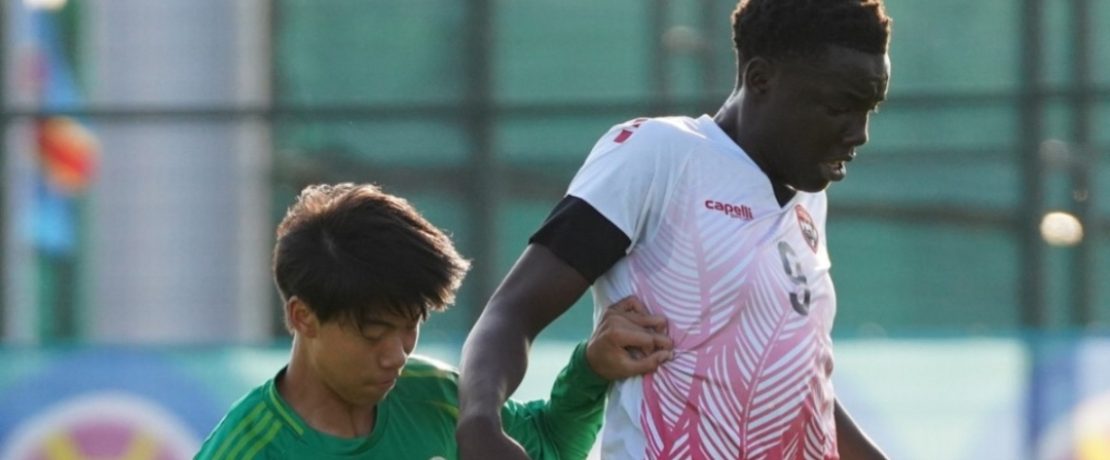
Boyce: Azerbaijan experience provides clear pathway for U-15 development
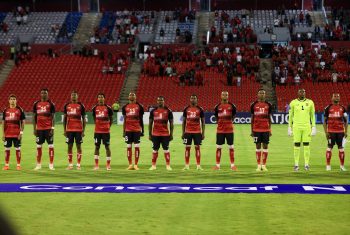
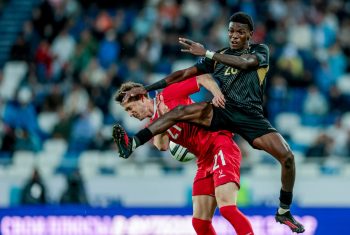
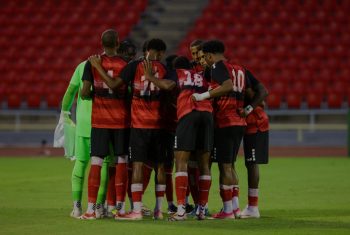
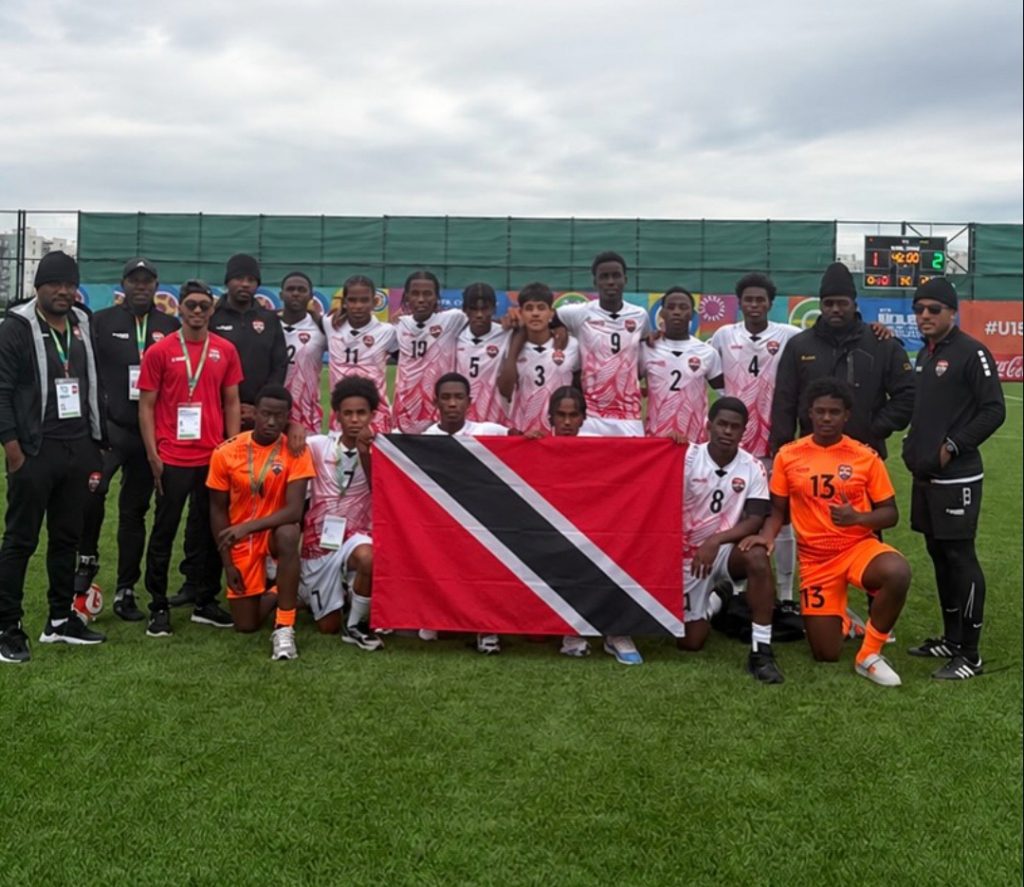
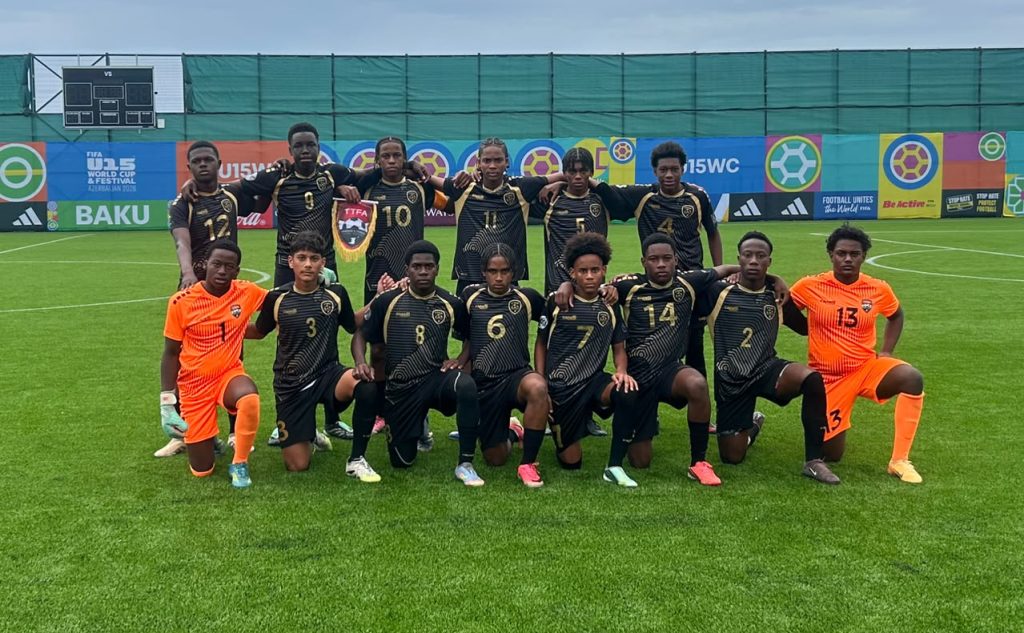
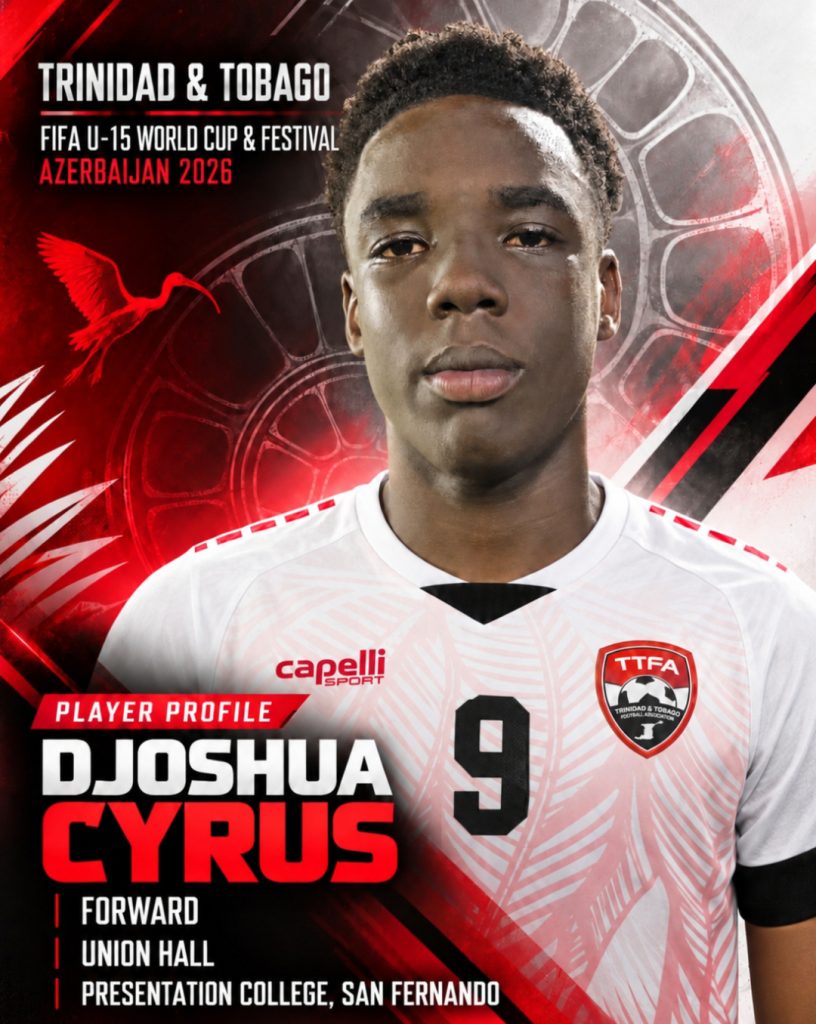
Trinidad and Tobago U-15 Boys’ head coach Randolph Boyce believes the team’s participation at the FIFA U-15 World Cup and Festival in Azerbaijan provided an important measure of the work required to compete consistently at international level.
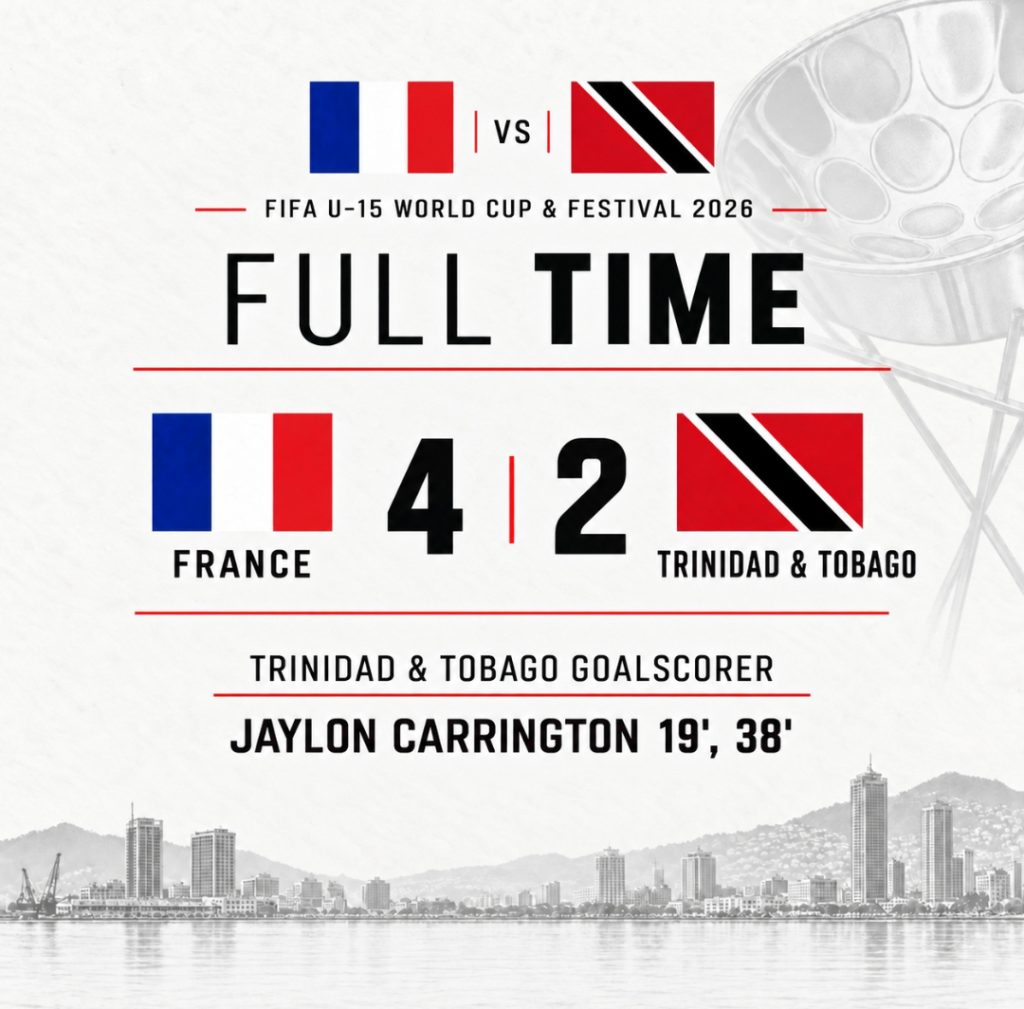
T&T finished 94th overall and fourth among the participating Caribbean Football Union nations. Boyce described the team’s performance as encouraging but acknowledged that significant improvement is required.
“I would say that we did well, but I expected us to do better,” Boyce said. “I don’t think the players came into the tournament fully understanding the magnitude of what they were going into, but they handled it better day by day.”
The demanding schedule, intensity of the matches and unfamiliar climate all tested the young players. Boyce said the effects of muscle fatigue, mental strain and insufficient conditioning became increasingly evident as the competition progressed.
“Our fitness was not at the level it needed to be for this tournament,” he explained. “If we can adopt this type of tournament structure back home, it would be good for us going forward.”
While results remain important, Boyce said the technical staff also assessed the players on their tactical discipline, ball retention, use of space and ability to carry out their individual roles.
“There are different ways of winning,” he said. “We worked a lot on the half-spaces, playing in pockets, discipline, keeping the ball and maintaining possession. We saw some of that being achieved, but there is still work to be done defensively, offensively, in transition and with movement.”
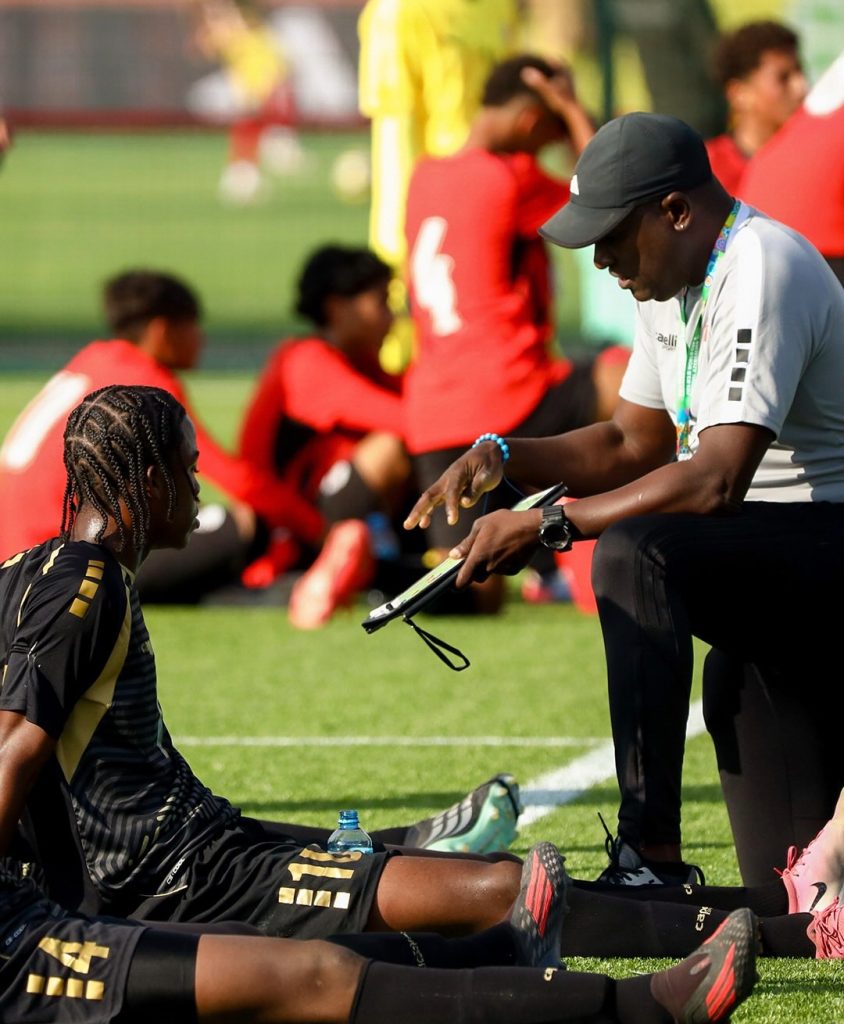
Among the greatest positives for Boyce were the character, discipline and togetherness demonstrated by the squad.
“They continued to drive on although they were mentally and physically tired,” he said. “The togetherness they showed, the love they showed for one another and the way they encouraged each other to keep pushing were important positives.”
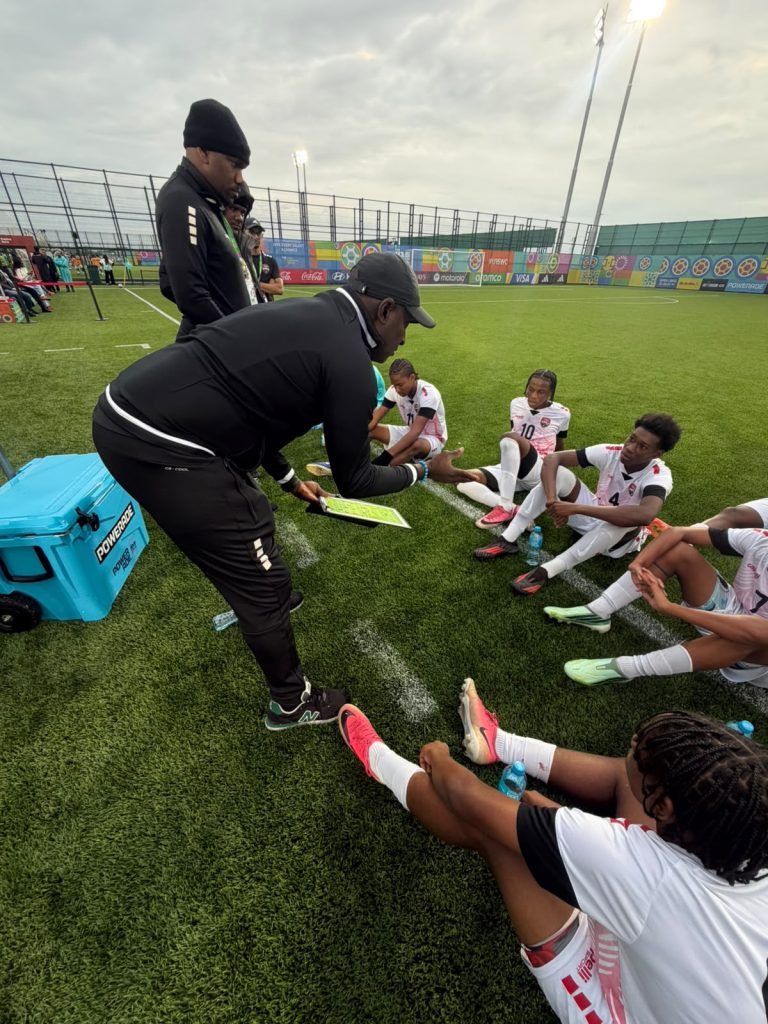
The experience also reinforced the need for longer preparation periods, particularly in strength and conditioning. Boyce explained that while the team conducted tactical, video, blackboard and on-field sessions, the speed of the international game made it difficult for the players to consistently execute their roles.
“At that high intensity, some players forgot their roles and functions,” he said. “We need to improve their endurance, strength and conditioning so they can manage at this level.”
Boyce believes regular exposure to teams from different continents is essential if Trinidad and Tobago is to raise its standard.
“We cannot raise our standard by continuing to play at only one level,” he said.
“The different cultures and styles showed an understanding of the half-spaces, pockets and movement that is above where we are. That is the level we are trying to get our players to.
“If we do not play against teams like these, I don’t think we will raise our level. This was an eye-opener for the staff, the players and the country.”
Boyce also called for greater collaboration among the TTFA, schools, clubs, academies and coaches. He believes the small-sided, high-intensity format experienced in Azerbaijan could assist the development of younger players locally by increasing their involvement, touches on the ball and speed of decision-making.
Although encouraged by finishing fourth among the CFU teams, Boyce noted the considerable gap separating Trinidad and Tobago from Haiti, Jamaica and Cuba.
“Training time, training methods, technical and tactical development—there are many things that must be put in place to close that gap,” he said. “One of the main things is playing more international games, identifying our mistakes and returning to the training field with the right programmes.”
The coach also stressed that youth development cannot be assessed only through wins and losses.
“A lot of the players grew during this tournament,” he said. “We also helped these young men mature away from their parents and families and taught them how to take responsibility. There are many different ways to measure success.”
With the next World Cup qualification campaign scheduled for June 2027, Boyce said the work must begin immediately. He also confirmed that the technical staff intends to broaden its talent-identification programme locally and overseas.
“Our player pool is not deep enough,” Boyce said. “We need to identify eligible players from different countries who can strengthen the programme and also push the local players to compete for their places.
“Any eligible player with Trinidad and Tobago parentage or grandparentage who is interested in representing the country and increasing our player pool will be welcomed.”
How would you assess the team’s overall performance?
“I would say that we did well, but I expected us to do better. I don’t think the players came into the tournament fully understanding the magnitude of the tournament they were going into, but I think they handled it well day by day
“There is still a lot of work to be done. Adapting to the climate and the structure of the tournament was difficult. As a Caribbean nation, we are not accustomed to playing so many matches at that high intensity over a short period.
“We suffered from muscle fatigue, mental stress and tiredness. Our fitness was not at the level it needed to be. If we can adopt this type of tournament structure back home, it would be good for us going forward.”
Did the team accomplish what you set out to achieve?
“There are different ways of winning. Some of our goals were to maintain our structure. We worked on the half-spaces, playing in pockets, discipline, ball retention and possession.
“We saw a lot of that being achieved, but there is still work to be done defensively, offensively, in transition and with movement.”
What were the biggest positives?
“The character of the players. They continued to drive on although they were mentally and physically tired and challenged.
“Their discipline was another positive. The togetherness they showed, the love they showed for one another and the way they encouraged each other to keep pushing were important.”
Would you approach anything differently?
“Definitely. Some players did not perform as expected, and that helped the staff identify who was suited to the challenge.
“We also need a longer preparation period, particularly for strength and conditioning. We did tactical work, blackboard sessions, video sessions and on-field preparation, but at the speed and intensity of the games, some players forgot their roles and functions.
“We need to improve their endurance, strength and conditioning so they can manage at this level.”
How important was playing against different football cultures?
“It was a wonderful experience. As a Caribbean and CFU participating nation, we need to play international competition.
“We cannot raise our standard by continuing to play at only one level. The different cultures and styles showed an understanding of movement, half-spaces and pockets that is above where we are.
“If we do not play against teams like these, I don’t think we will raise our level. It was an eye-opener for the staff, players and country.”
What role must local stakeholders play?
“There is a big role for everyone. Hopefully, this format can be adopted at the U-13, U-14 and U-15 levels.
“The game is faster, and the players’ intelligence will grow. They receive more touches, become more involved and develop their football IQ at a faster rate.
“Everyone has a role to play if Trinidad and Tobago football is to move forward.”
What does finishing fourth among the CFU teams indicate?
“It is an important benchmark and we are happy, but we must also look at the gap between ourselves and Haiti, Jamaica and Cuba.
“How do we close that gap? Training time, training methods and technical and tactical development must all be addressed.
“We need more international games, followed by the correct work on the training field. We also need the clubs and coaches involved. It requires everyone’s buy-in.”
How do you measure success?
“It can be measured in many ways. The public may measure it through wins and losses. As a coach, I also consider results, but I look at the technical, tactical, physical and psychological development.
“A lot of players grew during this tournament. We helped them mature away from their parents and families and taught them how to take responsibility as young men.
“There are many ways to measure success beyond wins and losses.”
How much work remains before the June 2027 qualifiers?
“A lot of work. We must close the gap before meeting teams such as Haiti, Jamaica, Cuba, Canada, the United States, Honduras, Guatemala and Costa Rica.
“We must put the correct programmes and people in place so that we can close that gap by June and give ourselves the opportunity to qualify for the World Cup.”
Will the technical staff expand the player pool?
“Definitely. Our player pool is not deep enough. We need to identify eligible international players who can strengthen the programme and push the local players to compete for their places.
“Any player with Trinidad and Tobago parentage or grandparentage who is interested in representing the country and increasing our player pool will be welcomed.”