TTFA launches Strategic Plan

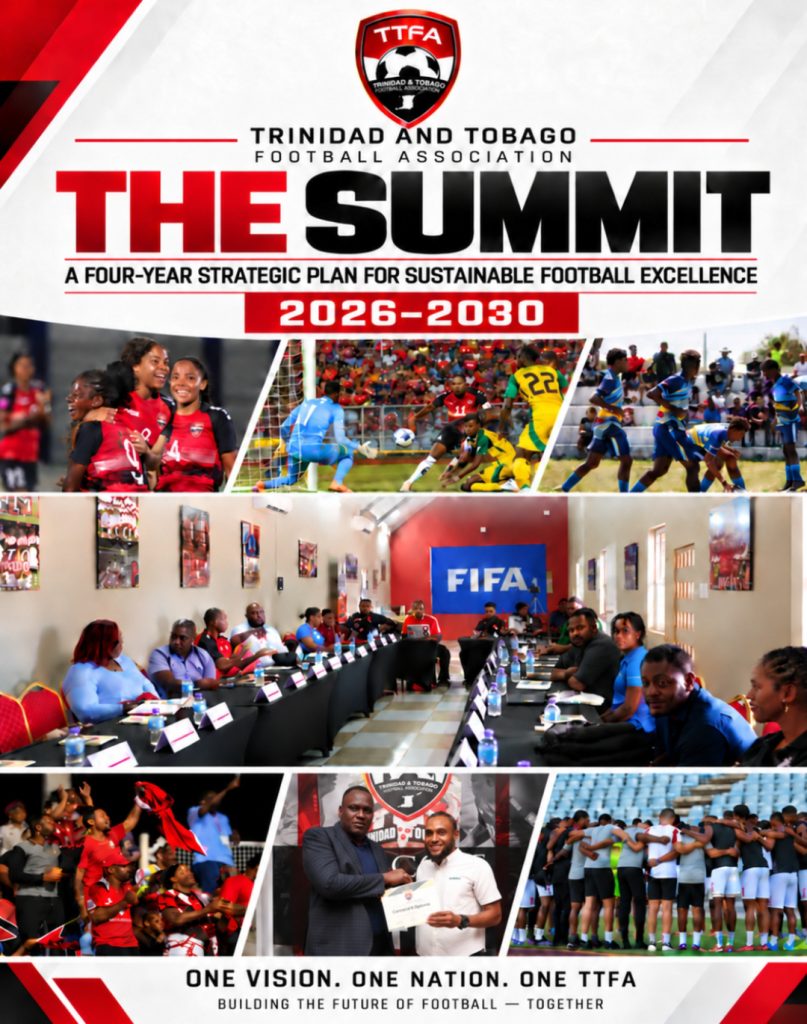
TTFA Launches ‘THE SUMMIT’ – A four- Year Strategic plan for sustainable football excellence
The Trinidad and Tobago Football
Association has launched THE SUMMIT, a comprehensive four-year strategic plan designed to build a stronger, more connected and sustainable football system across Trinidad and Tobago.
Covering the period 2026 to 2030, the plan is built around 23 interconnected areas, described as “Strategic Peaks”. Together, they address the development of the game from grassroots and community football through to the senior national teams.
THE SUMMIT places particular emphasis on youth development, coach education, women’s football, domestic competitions, infrastructure, sports science, governance and commercial sustainability.
TTFA President Kieron Edwards said the plan provides a clear direction for the Association and the wider football community.
“For too long, our football has depended on talent and individual effort without having a sufficiently connected system to support it,” Edwards said.
“THE SUMMIT is about building that system, one that identifies talent, develops players and coaches, strengthens clubs and competitions, and creates sustainable structures that can serve Trinidad and Tobago football for generations.”
A central feature of the plan is the creation of one continuous national pathway. Children entering the game through Under-6 grassroots festivals will have a structured route through academies, the National Youth League, High Performance Centres, national youth teams and, ultimately, the senior national teams.
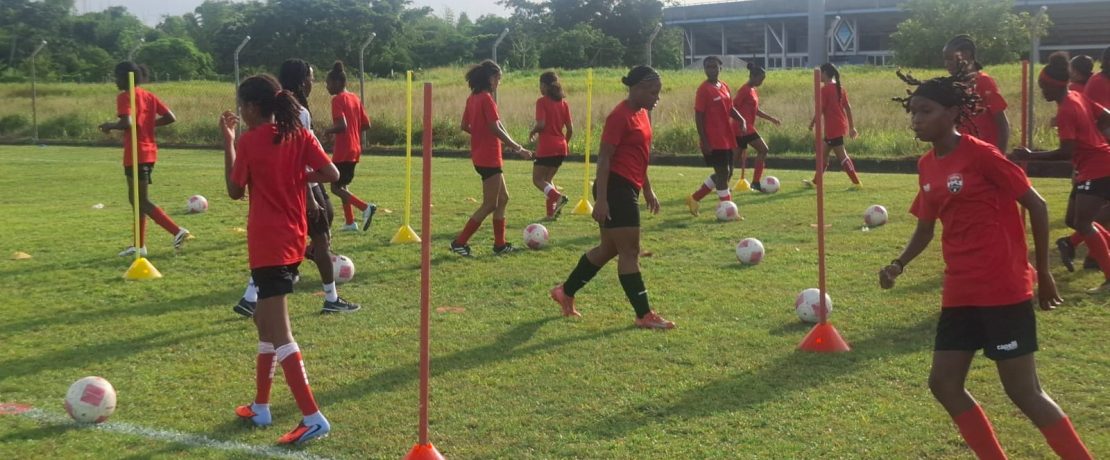
The plan provides for 10 active national youth teams – boys and girls at Under-14, Under-16, Under-17, Under-20 and Under-23 levels, supported by regular training camps and increased international exposure.
Click here to view the plan
A National Youth League for boys and girls from Under-15 to Under-20 will also operate across seven geographic areas, providing year-round competition and a stronger platform for scouting and player development.
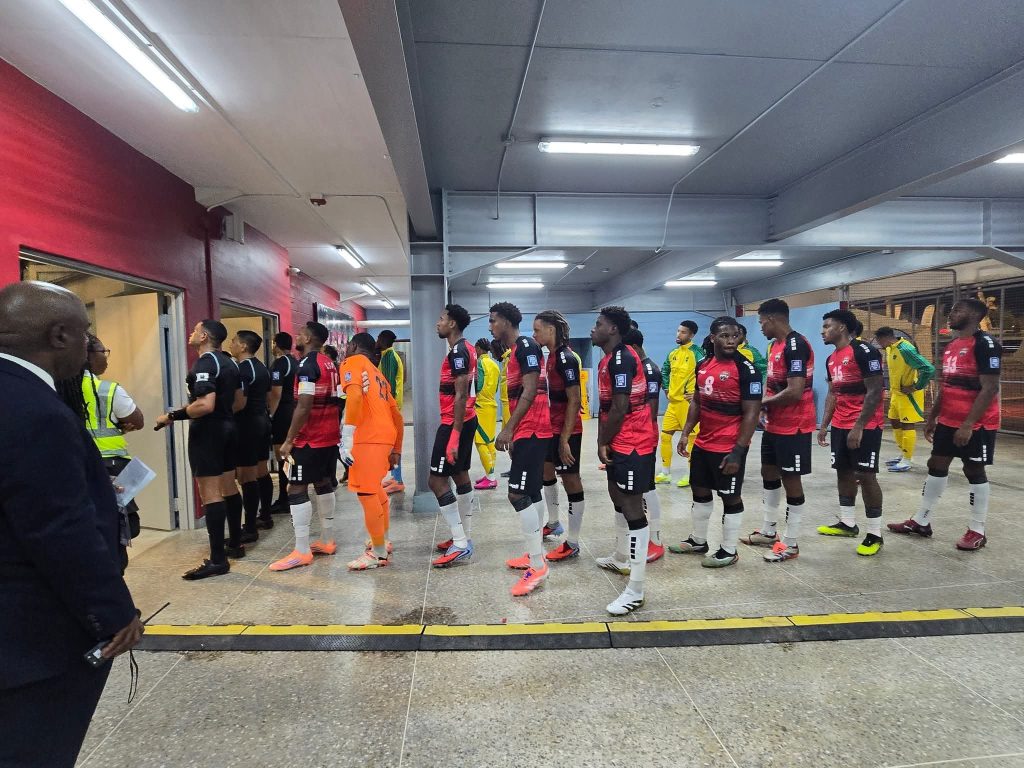
By 2030, the TTFA is targeting more than 8,000 young players participating annually in structured grassroots programmes, together with five fully operational High Performance Centres.
Three centres are planned for Trinidad and two for Tobago, allowing talented players throughout both islands to access high-level coaching, sports science and performance support.
Coach education is another major priority.
The Association intends to establish Trinidad and Tobago as the Caribbean’s leading coach-education centre, with more than 700 licensed coaches operating across the C, B, A and Pro Licence levels by the end of the four-year period.
The plan also outlines a phased programme to develop the Trinidad and Tobago Women’s League Football into the Caribbean’s first sustainable professional women’s league. This will include improved club standards, player welfare, broadcasting, commercial development and stronger links between the domestic competition and the Women’s National Team.

Infrastructure development will see the planned establishment of 16 football-specific community venues across Trinidad and Tobago. These facilities are intended to provide clubs and communities with safe, properly equipped football environments, including pitches, lighting, changing areas, medical rooms and community spaces.
The Association will also pursue the transformation of the Home of Football into a fully operational, revenue-generating national asset while strengthening the Trinidad and Tobago Premier Football League and supporting clubs in becoming more commercially sustainable.
Other areas covered include the development of futsal and beach soccer, improved referee education, a permanent TTFA presence in Tobago, stronger support for schools, academies and community organisations, and a Veterans and Legends Programme to preserve the country’s football heritage.

Improved governance and accountability will underpin the entire plan. The TTFA has committed to modernising its administration, strengthening engagement with its membership and providing annual reports on the progress made against the plan’s targets.
THE SUMMIT will be implemented in four stages: Foundation, Growth, Acceleration and Summit.
Edwards said its success will require the participation of the entire football family.
“This is not simply a TTFA document. It is a shared plan for our clubs, zones, coaches, referees, players, administrators, parents, volunteers and supporters,” he said.
“The ambition is significant, but so too is the potential of Trinidad and Tobago football. Reaching the summit will require unity, accountability and sustained work from all of us.”
THE SUMMIT begins now – One Vision, One Fo One Nation, One TTFA